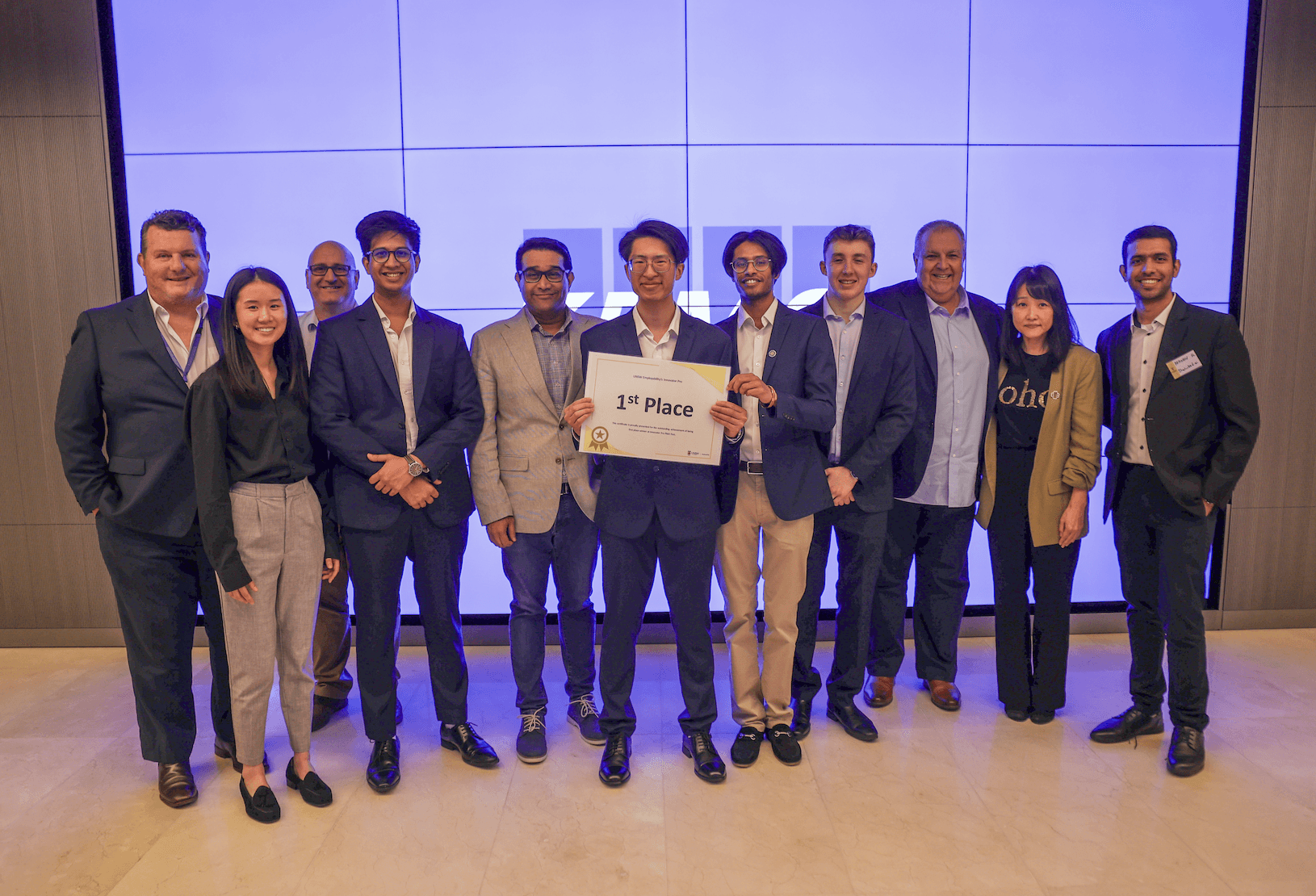
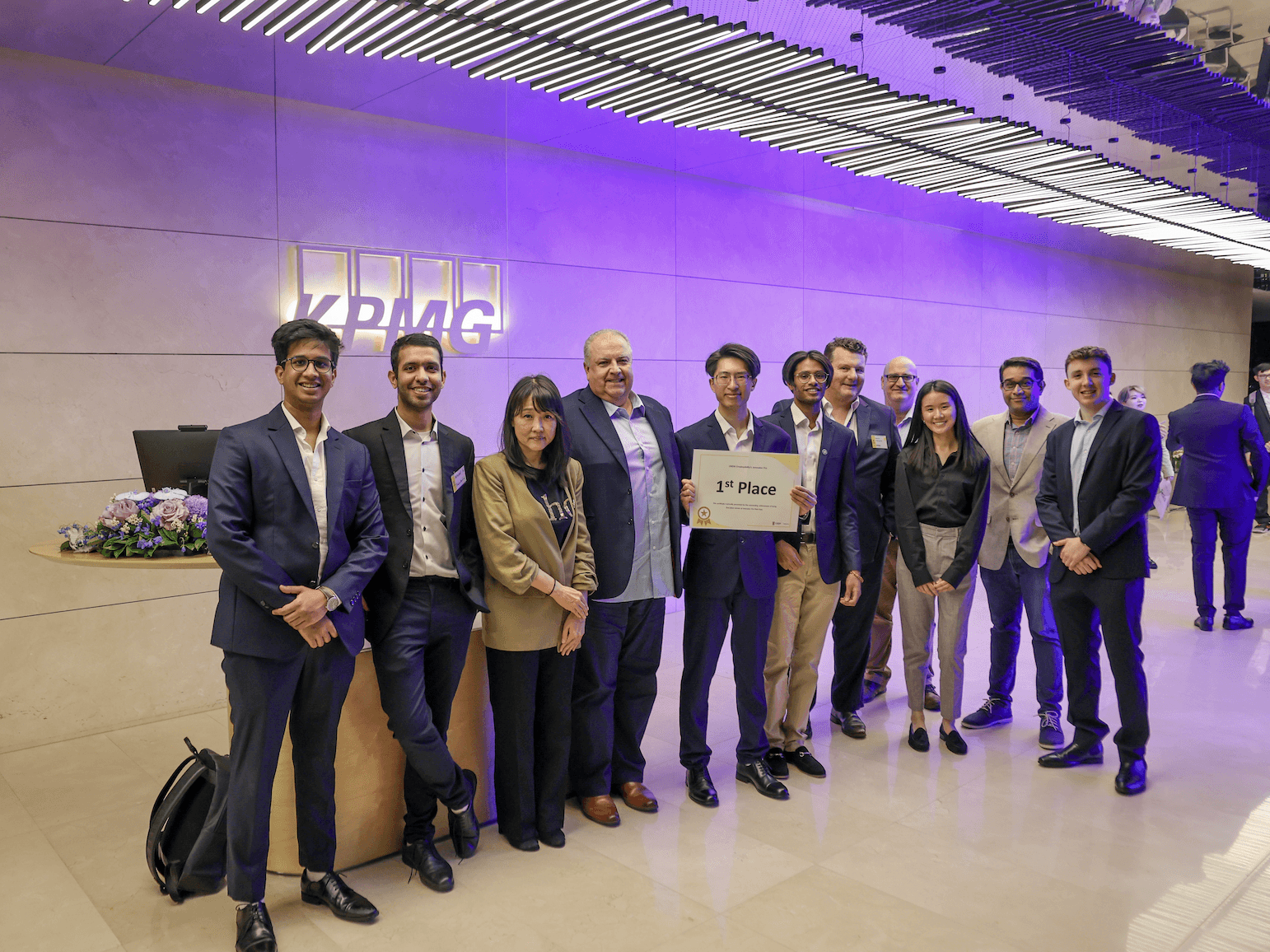
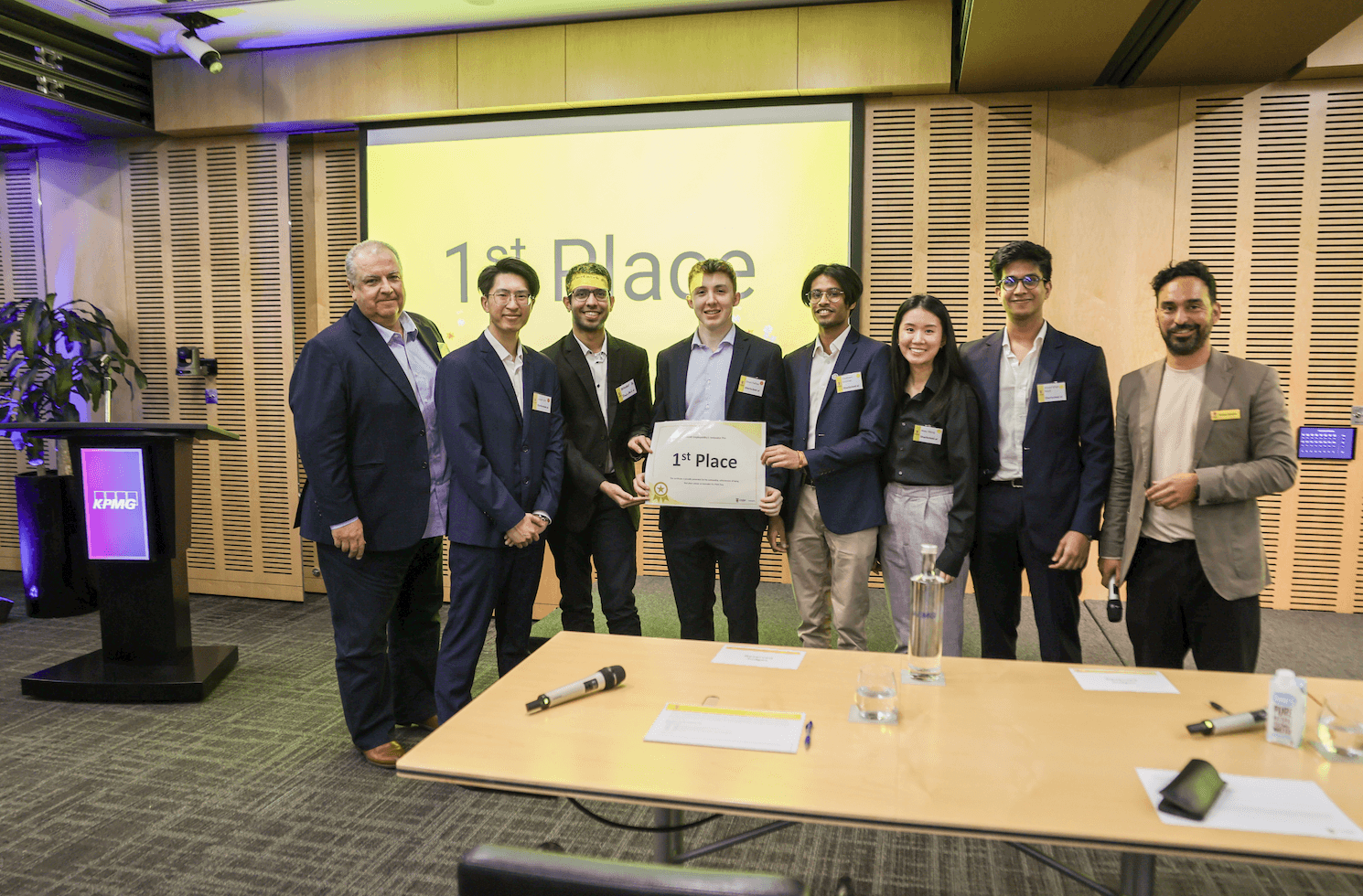
First place at the 2024 Innovator Pro Pitch Fest, presented at the KPMG office in Sydney.
Fintech · Social impact · Co-founded
Sherlocked.ai
Improving access to capital using federated learning for First Nations communities.
Long story short
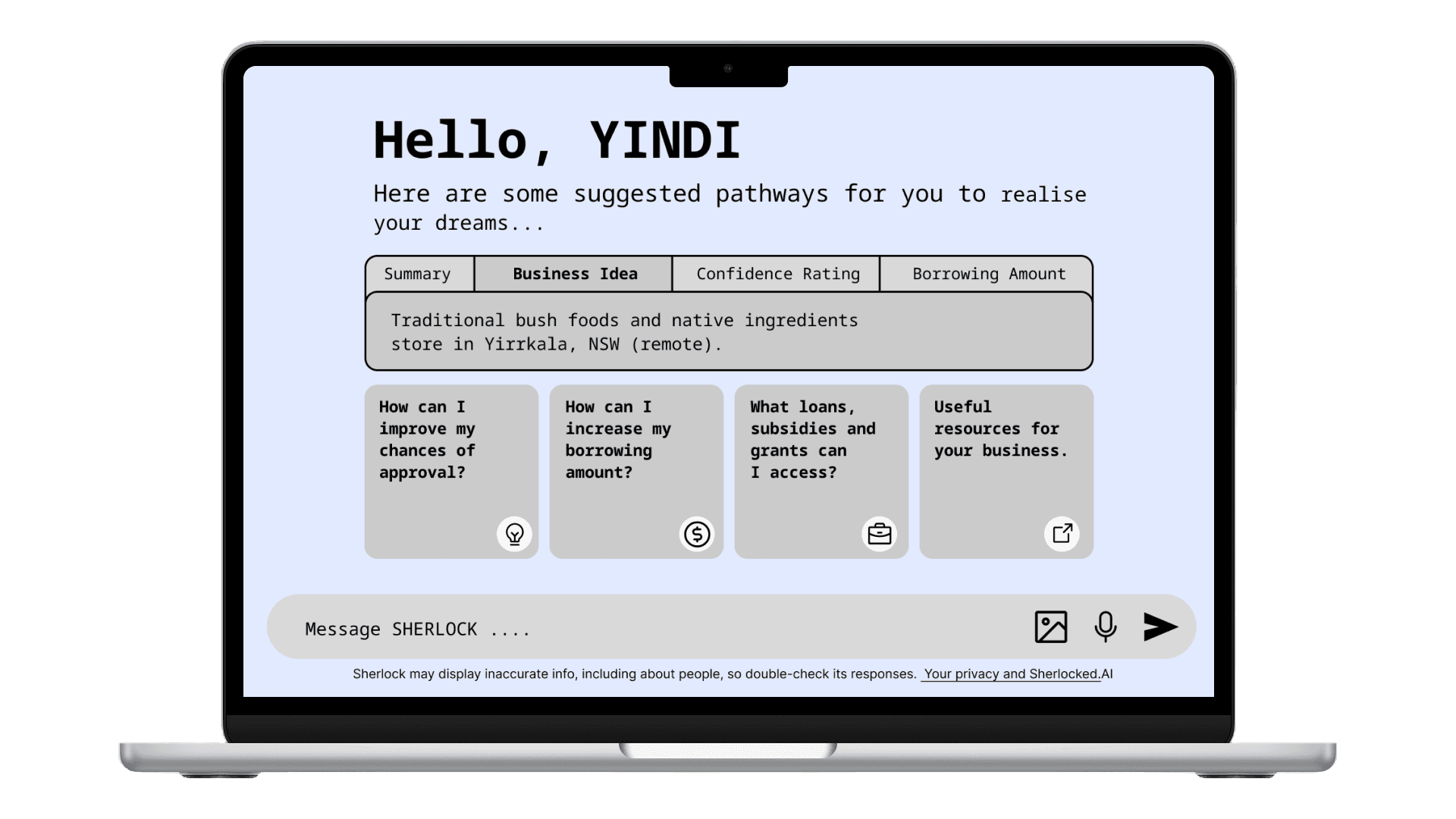
An AI that matches First Nations entrepreneurs with the funding they qualify for, and walks them through getting approved.
Sherlocked.AI increases loan approval for First Nations entrepreneurs using federated learning. We match them with funding, provide confidence scores, and guide them step-by-step in a personalised way.
It matches Indigenous businesses with the loans, subsidies and grants they qualify for, then guides them step-by-step to get the application approved.
01
Increase loan approvals
Match a business to funding it qualifies for and raise the odds of a yes.
02
Expand financial inclusion
Open small business loans, subsidies and grants to people the current process excludes.
03
Streamline onboarding
Replace policy documents and unclear steps with a guided, personalised path.
Result1st
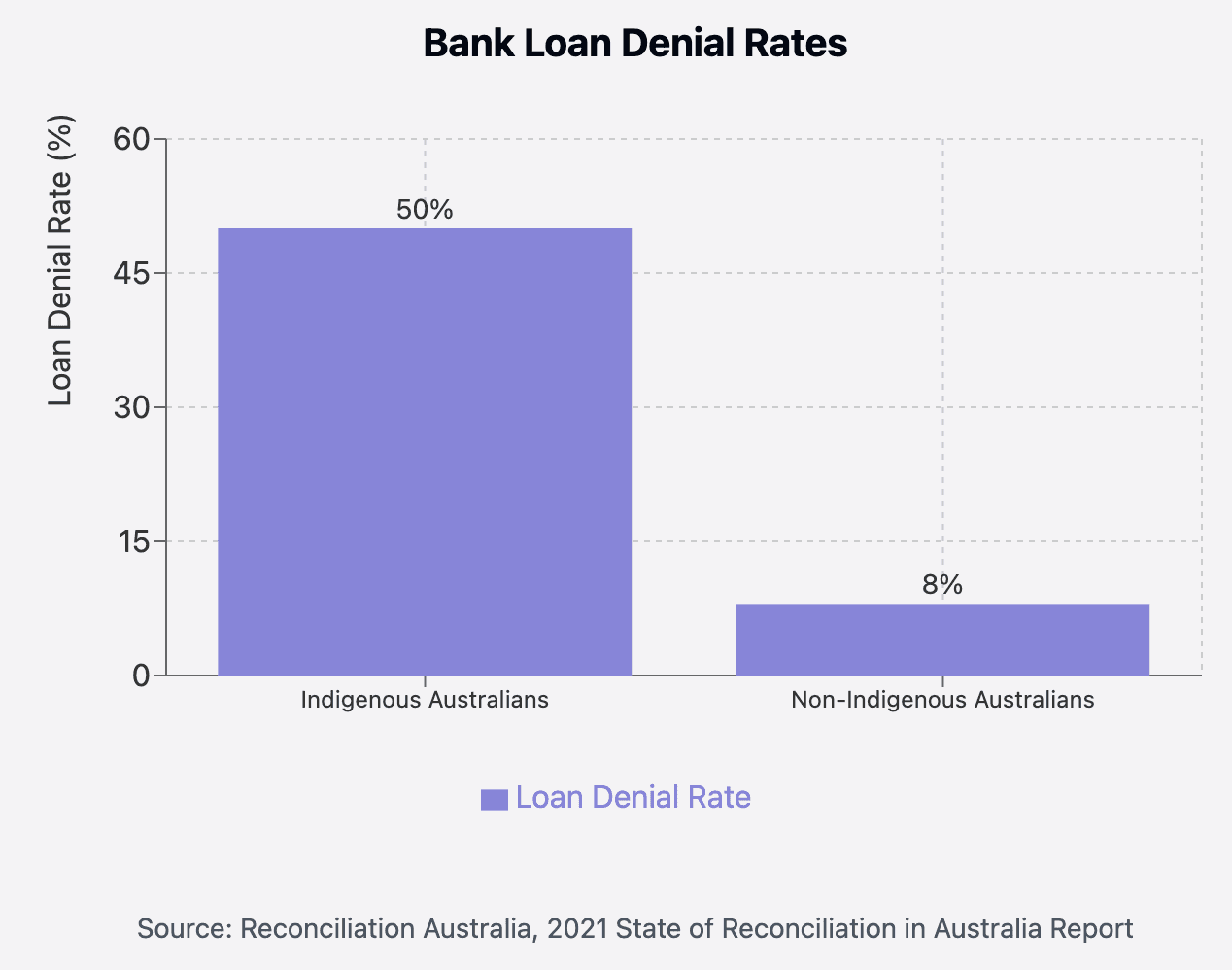
Loan denial, Indigenous Australians50%
Against 8% for non-Indigenous applicants. Source: Reconciliation Australia.
Organisations with a Reconciliation Action Plan2,700+
Including every major bank in Australia. Source: Reconciliation Australia, 2024.
Federated learning lifecycle5
Stages, with raw data never leaving the community.
The problem
Indigenous Australians face systemic barriers in accessing small business loans, subsidies and grants.
01 - The problem
The commitment is on paper. The approval gap is not.
Over 2,700 organisations have formalised their commitment to reconciliation through a Reconciliation Action Plan, including every major bank in Australia.
The intent is stated. The numbers at the application tell a different story: an Indigenous applicant is far more likely to be denied a bank loan than a non-Indigenous one.
Sources: Reconciliation Australia, Australian Banking Association
Reconciliation Action Plan figure: Reconciliation Australia, 2024
Reconciliation Action Plan figure: Reconciliation Australia, 2024
02 - Pain points
Three things stop an application before it starts.
01
Confusion about options
Which loans, subsidies and grants even apply to this business is unclear from the start.
02
Documents to read
Policies and paperwork stand between an owner and a decision.
03
Unclear process
The loan application process itself is hard to follow end to end.
03 - Ideation
A systems thinking workshop to find where the leverage was.
I led a systems thinking workshop to identify the industries with the largest impact and map the barriers in the loan process. We explored:
- Lack of financial literacy resources.
- Limited credit history data affecting approvals.
- Regulatory challenges in financial services.
- Algorithmic bias in traditional banking models.
Key insight
A centralised, AI-powered loan-matching assistant can remove the complexity, guiding users step-by-step.
04 - The system
Federated learning, so the model improves without the data ever leaving the community.
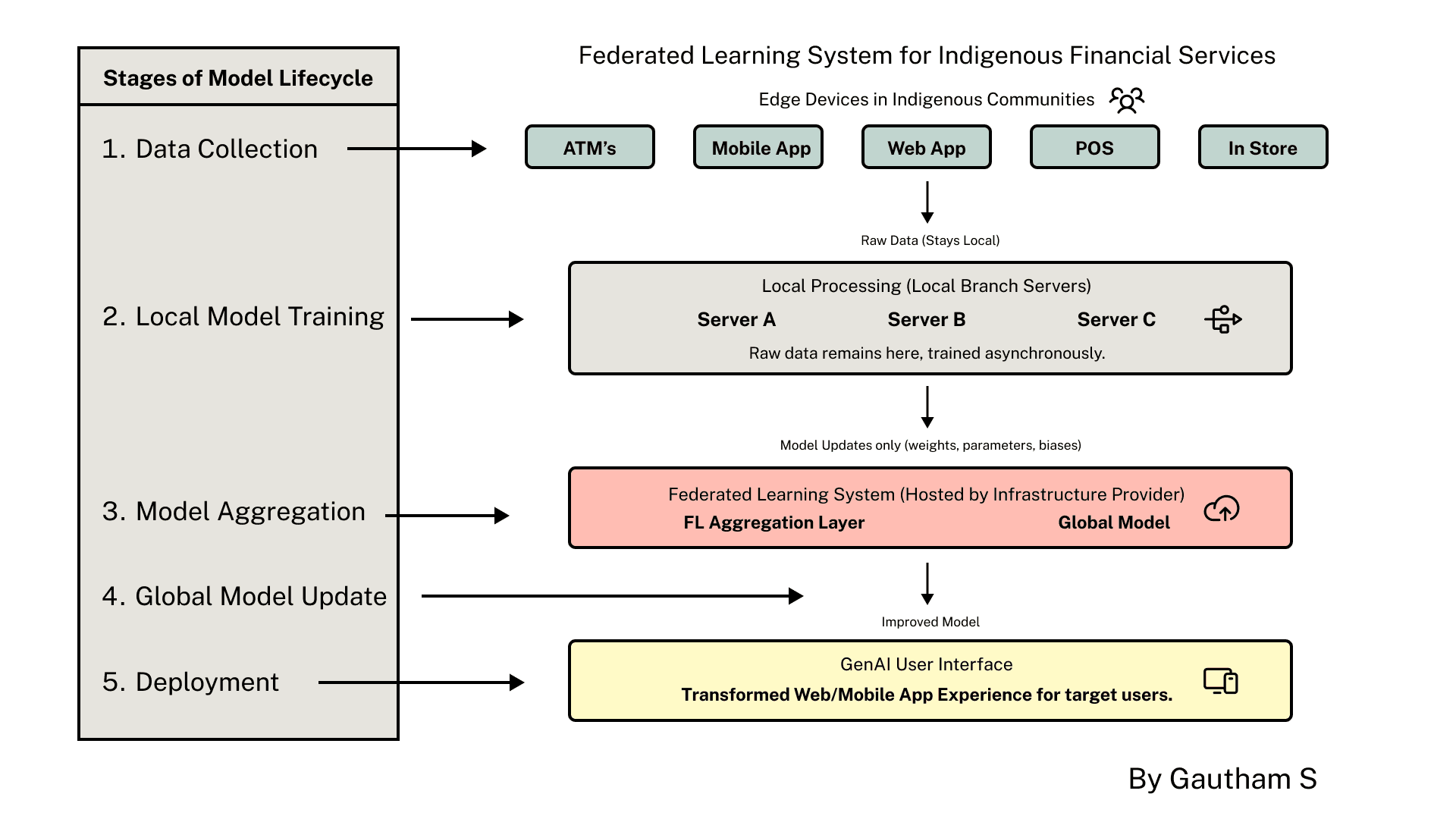
Raw data is collected on edge devices, ATMs, mobile and web apps, POS and in store, and stays on local branch servers. It is never moved.
Only model updates, the weights, parameters and biases, travel to the federated aggregation layer. That layer trains a shared global model and pushes the improved model back to the edge, where it powers the assistant.
Lifecycle: Data collection, local model training, model aggregation, global model update, deployment
05 - Collaboration
Built alongside the people who run these systems.
We collaborated with AI specialists from Commbank, Red Hat, IBM and more. Industry insights evolved our product at every stage.
The team spanned a product designer, a computer scientist from KPMG, finance from Unilever, a financial analyst from Equifax, and a mechanical engineer from Prysmian.
06 - Outcome
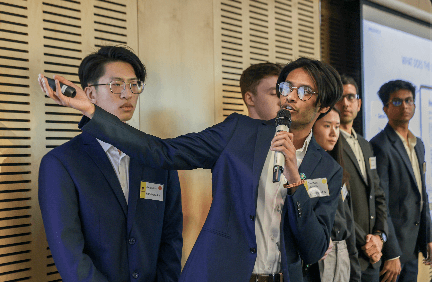
First place, presented at the KPMG office in Sydney.
We won first place at the 2024 Innovator Pro Pitch Fest. Our final presentation was at the KPMG office in Sydney.
Acknowledgement of Country
I acknowledge the Gadigal people of the Eora Nation, the traditional custodians of the land on which this work was made. I pay my respects to their Elders, past, present and emerging, and recognise that sovereignty was never ceded.